



XCMG’s Indonesia NEV Plant Opens a New Export Route
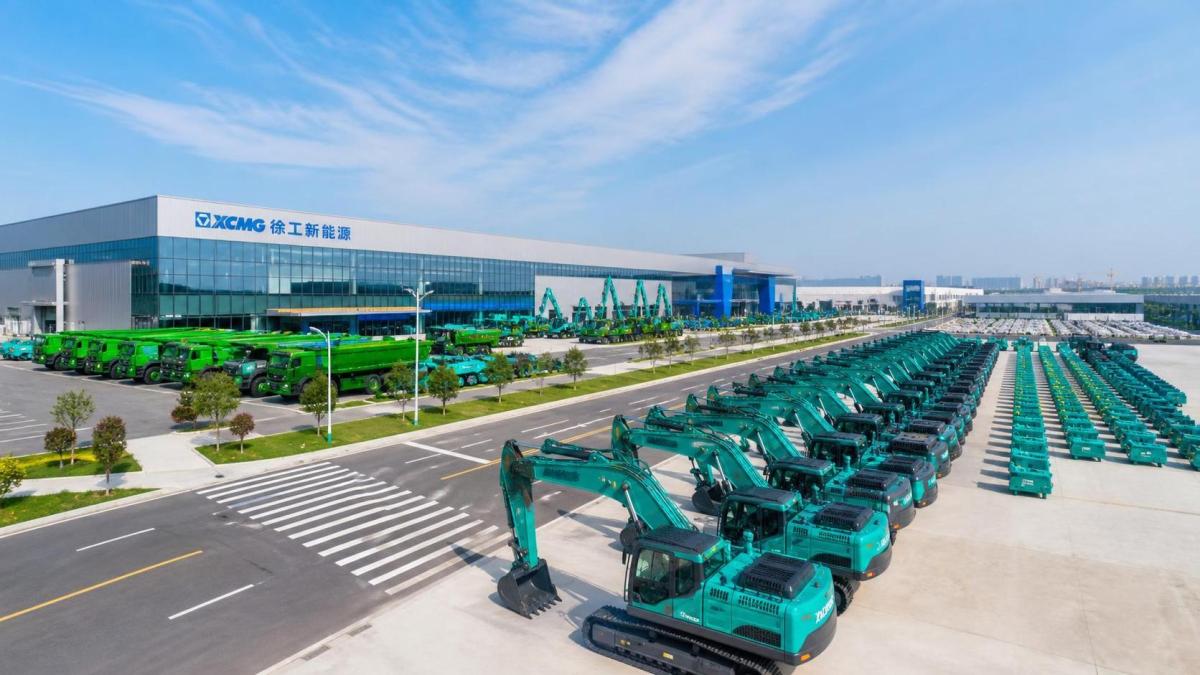
On 27 July 2026, XCMG’s new energy manufacturing base in Indonesia officially began production, with the first batch of new energy construction equipment delivered to Tsingshan Holdings’ Indonesia industrial park. The plant is XCMG’s first overseas production base dedicated to new energy equipment and is positioned around localized R&D, manufacturing, and compliance certification. For overseas distributors, importers, and green infrastructure buyers, the more relevant change is not just capacity relocation, but a clearer signal that export delivery is moving toward local green production models, with compliance against standards such as ASEAN CE, UN ECE, and IEC 62133 becoming part of the commercial workflow.
What the Indonesian base confirms
XCMG’s Indonesia base was put into operation on 27 July 2026 in the Weda Bay Industrial Park (IWIP). According to the information provided, the first delivered products were new energy construction machinery supplied to Tsingshan Holdings’ Indonesia industrial park. The facility is described as XCMG’s first overseas production base dedicated to new energy equipment, with localized R&D, manufacturing, and compliance certification capabilities. The products are said to meet ASEAN CE, UN ECE, and IEC 62133 standards, and the plant is expected to shorten delivery cycles for Southeast Asia and Australia-New Zealand markets while reducing carbon-footprint compliance risk.
Why trade, procurement, and certification teams should pay attention
Distributors and importers may face a different compliance path
From an industry perspective, the key change is that export preparation may shift away from a single offshore shipment model and toward a mixed model that includes local production, local conformity handling, and market-specific documentation. That can affect product registration, customs documentation, and downstream acceptance checks. For distributors and importers, the practical issue is whether the local production route simplifies entry requirements or adds new supplier qualification steps that must be verified case by case.
Procurement teams are likely to treat standards as a front-end requirement
For buyers in green infrastructure and industrial projects, standards and certification are no longer just after-sales paperwork. If the stated compliance to ASEAN CE, UN ECE, and IEC 62133 is used in procurement documents, then technical review, bid alignment, and acceptance procedures may increasingly start with those requirements. That matters for equipment selection, battery-related safety documentation, and file completeness at tender stage.
Supply chain and delivery planning may become more localised
What deserves closer attention is the potential impact on lead times, spare parts support, and cross-border transport risk. A local manufacturing base can reduce shipping distance and may improve delivery predictability, but it also makes supplier management, quality traceability, and local service coordination more important. For engineering contractors and equipment integrators, the relevant question is how quickly the plant’s certification and delivery routines can be absorbed into their own project schedules.
What companies should verify now
Confirm which certificates are actually required in the target market
The statement that products comply with ASEAN CE, UN ECE, and IEC 62133 should be read as an indication of intended compliance positioning, not a substitute for market-specific verification. Companies should check whether the destination market, project owner, or tender file requires the full set of documents, supporting test reports, or local acceptance records.
Review technical files before committing to purchase orders
For importers and project buyers, the useful next step is to validate the technical dossier, product scope, and certification validity before order placement. That includes model coverage, battery-related documentation, and any special acceptance items tied to the end-use application. At this stage, it is more appropriate to treat the Indonesia plant as a compliance and delivery signal than as proof that every market condition has already been resolved.
Watch whether local production changes service and warranty assumptions
Localized manufacturing often changes the boundary between factory support, regional after-sales service, and warranty handling. Companies should verify who holds responsibility for quality claims, replacement parts, and technical response in the destination market. That is especially relevant where equipment is used in industrial parks, mining-related infrastructure, or other project settings with strict uptime expectations.
How to read this move in context
Analysis suggests this development is best understood as an execution signal rather than a broad policy announcement. The plant’s launch indicates that compliance capability, local production, and cross-border delivery are increasingly being linked in the export model for new energy construction equipment. The rule environment that matters here is not a single new law, but the growing importance of standards conformity, certification readiness, and low-carbon supply-chain evidence in trade and procurement decisions.
What remains worth watching is the practical implementation: how the stated standards are accepted in specific markets, how tender documents reference them, and whether delivery timelines and compliance processes actually improve for downstream buyers. Until those details are confirmed in market practice, the event should be treated as a meaningful commercial and compliance signal, not as a finished market rule.
What this means for the market now
The main takeaway is that Chinese high-end equipment exports are being framed less as finished-product shipment and more as localized green capacity cooperation. For the industry, that shifts attention toward certification, documentation, delivery control, and post-delivery responsibility. The change is real enough to matter, but it is still most useful to read it as a model under execution, with market acceptance and rule alignment still to be observed.
Source basis for this report
This article was generated solely from the user-provided title, event date, and event summary. No specific official source link was included in the input. For this type of development, relevant source channels would usually include company announcements, regulatory or customs-related notices, standard-setting documents, and credible industry reporting. Further verification should continue around certification execution, tender-file wording, trade implementation, and market feedback.
Related News
Get weekly intelligence in your inbox.
No noise. No sponsored content. Pure intelligence.
