



Japan’s First AI Robot Insurance to Cover Malfunction Risks
Japan’s largest property insurer has announced an insurance policy for businesses using AI-powered robots, covering malfunctions and other risks. Described as Japan’s first insurance product for risks arising from the commercial use of AI robots, the policy introduces a financial risk-management option for companies considering or operating such systems.
The announcement connects two decisions that businesses may otherwise assess separately: whether a robot can perform its intended work, and how the business would manage the financial consequences if something goes wrong. Insurance could help address the second question, although its practical value will depend on the policy’s terms and the risks it actually covers.
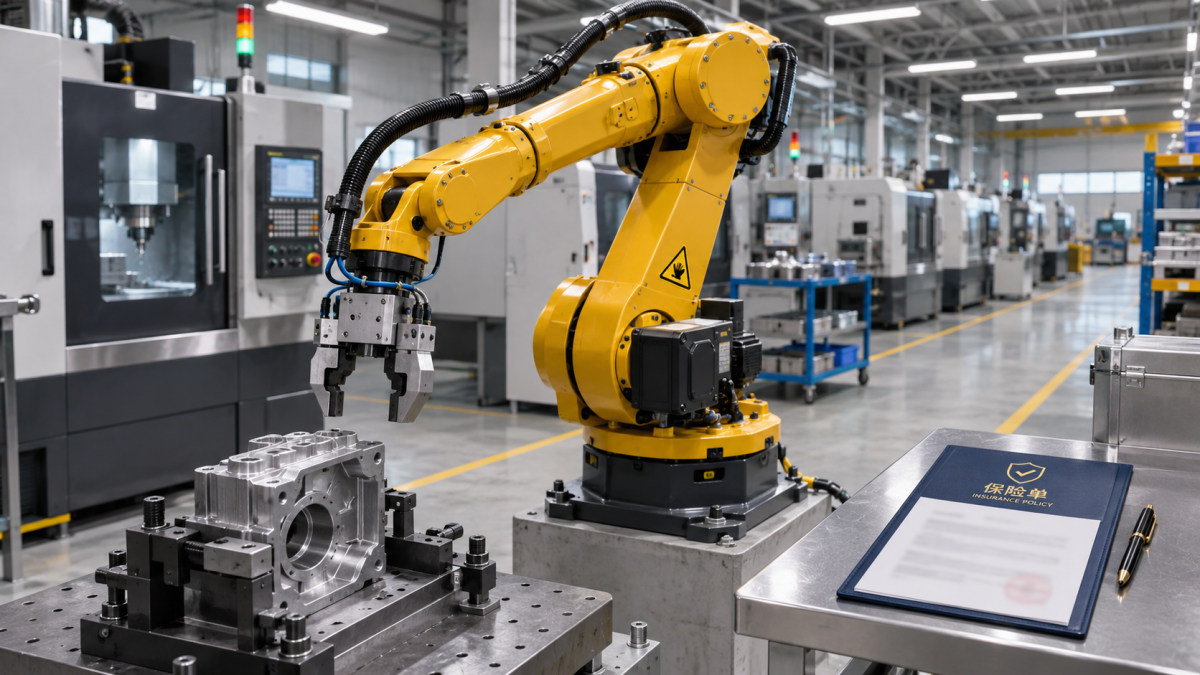
What coverage could mean for robot users
A malfunction can raise different concerns depending on how a robot is used. For a business using a robot in manufacturing, the immediate question may be how an interruption affects the work assigned to it. In a service setting, a business may focus on how a failure affects the service the robot is intended to provide. In either case, the financial consequences depend on the circumstances of the incident.
The policy’s stated scope includes robot malfunctions and other risks, but the announcement does not specify which losses would qualify for payment. Coverage for a malfunction, for example, should not automatically be read as coverage for every expense or interruption associated with it. The distinction between an event that triggers a claim and the losses payable under a policy will matter to prospective customers.
Businesses evaluating the product may therefore focus on how the policy defines a malfunction, what other risks it includes and which situations are excluded. Limits, deductibles and any conditions attached to a claim could also affect how much protection a customer receives. These are questions for the policy terms, rather than conclusions that can be drawn from the announcement alone.
Implications for commercial deployment
The introduction of insurance may give businesses another way to assess the risks of putting AI robots into operation. If suitable cover is available, a company could incorporate its cost and scope into decisions about where and how to deploy a robot. That could be particularly relevant when an operation depends on the robot performing a defined task reliably.
Insurance, however, is only one part of that decision. A policy can provide financial protection within its terms; it does not by itself establish how reliably a robot will operate or prevent a malfunction. The effect on adoption will depend in part on whether businesses consider the cover relevant and proportionate to their own exposure.
The product also creates questions for the relationship between robot users and other parties involved in a deployment. When an incident occurs, the cause and responsibility may need to be examined before the financial consequences can be allocated. How the policy treats those circumstances could influence how useful it is to a business customer.
For manufacturers and service providers, the announcement signals that insurance is becoming part of the discussion around commercial AI robot risk. It does not establish that the policy will reduce deployment costs or lead to wider adoption. Those outcomes would depend on the protection offered, its price and how it fits the needs of users in different settings.
Further details about eligible robots, covered events, exclusions and claims conditions will provide a clearer basis for assessing the product. Over time, the breadth of its use by businesses could also show whether insurance helps remove a practical obstacle to deployment in manufacturing and services.
Related News
Get weekly intelligence in your inbox.
No noise. No sponsored content. Pure intelligence.
