



EV charging stations quick installation guide: common mistakes
Installing EV infrastructure quickly can save time and cost, but small errors often lead to safety risks, downtime, and poor charging performance. This EV charging stations quick installation guide highlights the most common mistakes operators and users should understand before setup, helping you avoid compliance issues, site mismatches, and future maintenance problems while making smarter, more reliable installation decisions.
Why quick installation needs a checklist
Fast deployment is useful, but speed can hide weak planning. A rushed EV charging station installation often misses load checks, cable routing details, or environmental limits.
A clear EV charging stations quick installation guide helps reduce rework, delays, and inspection failures. It also supports better uptime, safer operation, and easier maintenance later.
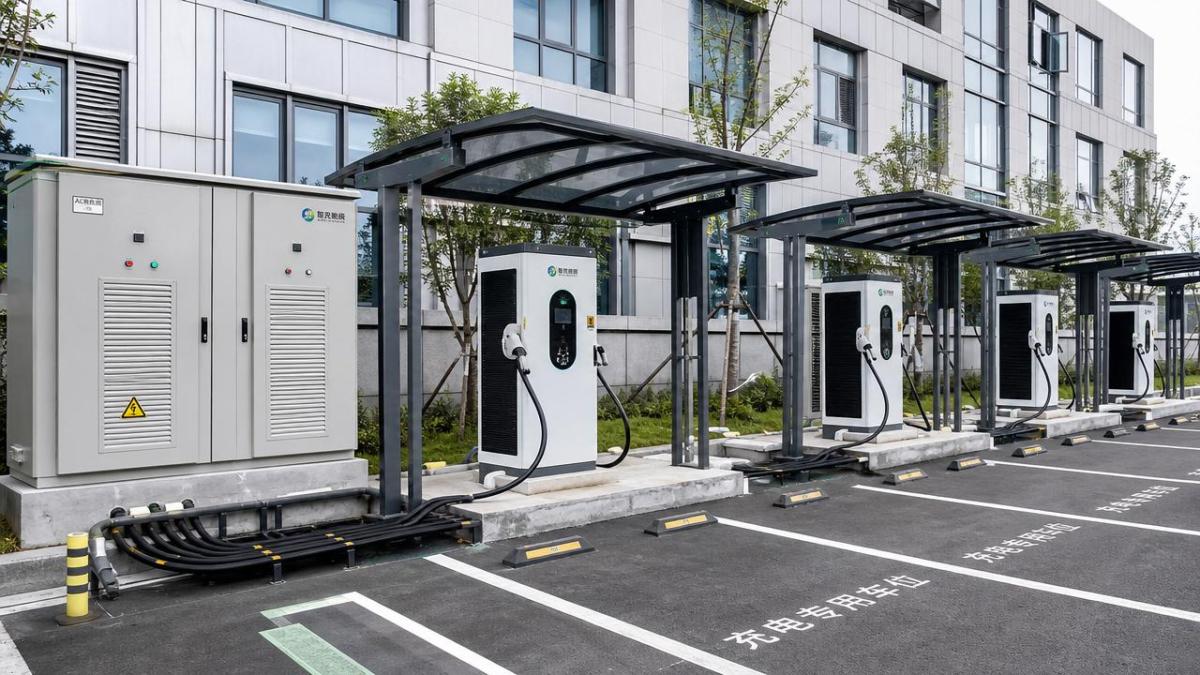
Core installation checks that prevent costly mistakes
- Verify the power supply capacity first. Confirm panel space, breaker size, and peak demand so the charger will not overload the site.
- Match the charger type to the vehicle mix. AC, DC fast charging, and connector standards must fit the real use case, not only the brochure.
- Plan the cable path and mounting height early. Poor routing creates trip hazards, extra wear, and difficult service access.
- Check grounding, surge protection, and weather rating. Outdoor equipment needs stronger protection against moisture, heat, and voltage spikes.
- Reserve space for future expansion. A flexible layout avoids expensive relocation when charging demand grows.
Common mistakes in an EV charging stations quick installation guide
One frequent mistake is underestimating electrical load. Even a small installation can trigger failures if the existing system is already near its limit.
Another common issue is ignoring site conditions. Heat, rain exposure, poor ventilation, or unstable ground can damage equipment and shorten service life.
A third mistake is skipping local code review. Permits, inspection rules, and accessibility requirements vary by location, and missing them can delay commissioning.
Cable management is often treated as a minor detail. In reality, loose cables, tight bends, or weak mounting points create both safety and maintenance problems.
Scenario-based notes for better deployment
Parking and retail locations
These sites need clear traffic flow, visible signage, and enough stall clearance. The EV charging stations quick installation guide should prioritize easy access and safe pedestrian movement.
Avoid placing equipment where vehicles may block the unit or where delivery activity can damage it. Shorter cable runs also help reduce installation cost.
Fleet depots and operational yards
Here, the main risk is peak-load clustering. If several units start charging at once, the site may exceed available capacity unless load balancing is built in.
For faster rollout, confirm daily vehicle schedules, dwell times, and maintenance access before finalizing the layout. That keeps the installation efficient without sacrificing reliability.
Mixed-use commercial buildings
Shared buildings need coordination between electrical rooms, tenant activity, and fire safety systems. The EV charging stations quick installation guide should include communication with facility staff early.
The most overlooked issue is maintenance access. If service teams cannot reach the unit easily, small faults become long outages.
Risks that are often ignored
Poor grounding can cause unstable performance and increase the chance of electrical damage. It should be checked before energizing any EV charging station.
Incorrect networking setup is another hidden risk. Smart chargers may install physically, yet still fail to report data, accept payments, or support remote monitoring.
Thermal management is also easy to miss. Enclosed areas or direct sun exposure can reduce charging efficiency and shorten equipment life.
Practical execution tips
Use a staged approach: assess the site, confirm electrical capacity, verify compliance, then install and test. This sequence is faster than fixing issues after hardware is mounted.
Keep a simple commissioning record. Include breaker settings, firmware versions, test results, and any site notes. This supports future troubleshooting and warranty claims.
If the project is time-sensitive, standardize components where possible. Consistent mounts, connectors, and protection devices reduce install time and simplify spare parts management.
Summary and next action
A fast project still needs careful checks. This EV charging stations quick installation guide shows that the biggest mistakes usually come from power mismatch, weak site planning, and skipped compliance steps.
Before starting any installation, confirm the electrical design, layout, protection measures, and service access. Then test the system under real conditions.
Next, build a short review list for every site. That simple habit can prevent downtime, improve charging reliability, and make future expansion much easier.
Related News
Get weekly intelligence in your inbox.
No noise. No sponsored content. Pure intelligence.
