Everfuel Signs Subsidy Agreement to Advance Denmark-Germany Hydrogen Corridor
Everfuel announced on November 4 that it had signed a European Hydrogen Bank subsidy agreement for its Frigg project, linking German government support for green hydrogen production in Denmark with a planned cross-border supply route. The year of the announcement and the date on which the agreement was signed were not specified. For hydrogen producers, buyers and infrastructure providers, the agreement is an execution signal worth examining alongside the unresolved details of certification, pipeline delivery and trade.
Funding and Pipeline Capacity for Frigg
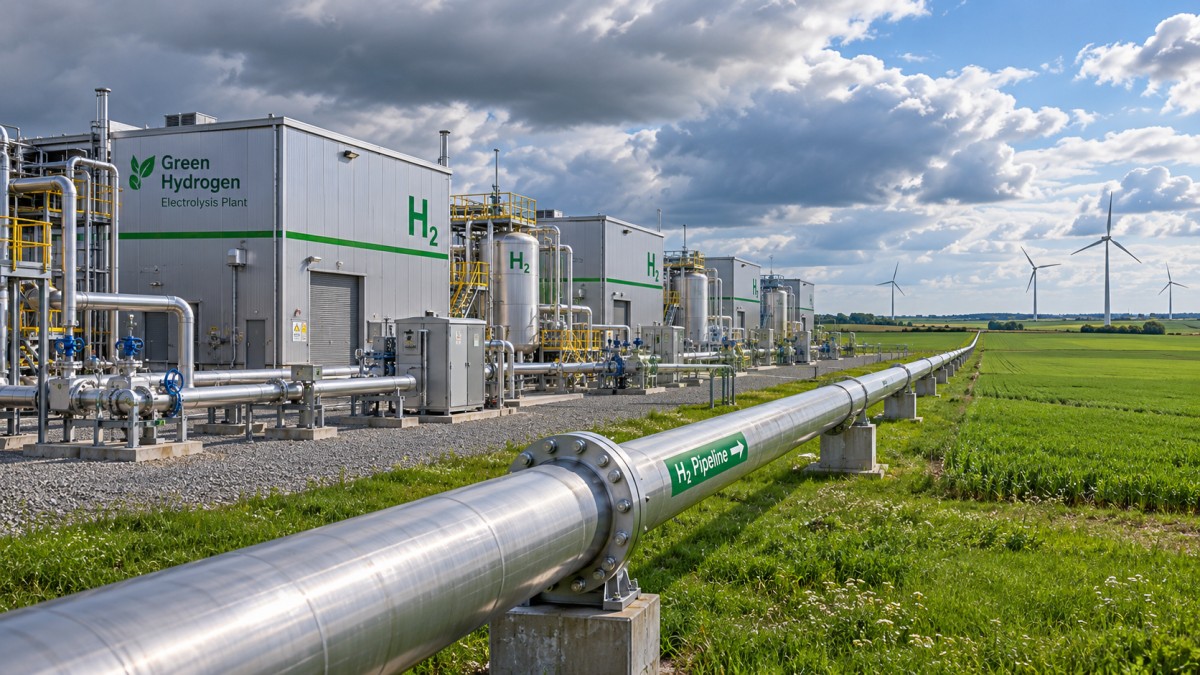
Denmark-based hydrogen company Everfuel said the agreement secures €245 million in German government subsidies for Frigg. The project's first phase is planned to have 200 MW of green hydrogen capacity in Vejen, Denmark.
Everfuel has also reserved cross-border pipeline capacity. The stated aim is to make Denmark Germany's first significant import corridor for renewable fuels of non-biological origin (RFNBO) by 2031.
What a Cross-Border Route Could Mean for Supply
Producers and Project Suppliers
From an industry perspective, the signed subsidy agreement gives suppliers a concrete funding development to consider when assessing the planned Frigg project. Equipment suppliers and engineering contractors may need to review future procurement documents for technical specifications, delivery schedules and any conditions linked to the subsidized project. The information provided does not establish when procurement will begin or which conditions will apply.
Buyers and Cross-Border Delivery Partners
Analysis suggests that prospective buyers and pipeline-related service providers may need to assess production and transport plans together. Reserved pipeline capacity signals an intended delivery route, but the available information does not establish delivery dates, volumes or commercial terms. Buyers may also need to verify how RFNBO status would be documented for cross-border transactions.
Certification and Documentation Providers
RFNBO-related documentation could become relevant to suppliers and buyers seeking to demonstrate product eligibility. The announcement summary does not specify a certification scheme, verification process or documentary requirements for the project, so their application remains to be confirmed.
Checks Before Procurement and Delivery
Confirm the Funding Conditions
Companies assessing opportunities connected with Frigg could monitor further official and project disclosures for the terms of the subsidy agreement. In particular, any conditions affecting procurement, project milestones or delivery should be checked against the relevant documents rather than assumed from the announced amount.
Review RFNBO Evidence
Prospective counterparties may wish to seek clarification on the evidence and verification arrangements that would apply to the hydrogen they intend to purchase or supply. The available summary does not identify the documents required or confirm how compliance will be assessed.
Align Pipeline and Contract Assumptions
Before relying on the proposed route in purchasing or supply plans, businesses could verify the scope and timing of the reserved capacity, as well as the delivery terms offered in any future contracts. The stated 2031 corridor objective is an aim, not a confirmed delivery schedule.
Monitor Project Procurement
Potential suppliers and contractors could watch for project-specific tender documents and assess how their technical capabilities and delivery schedules match any published requirements. No tender timetable or supplier qualification criteria were provided in the input.
A Funding Decision, Not a New Rule
At this stage, the agreement is best understood as an execution signal for a subsidized cross-border hydrogen project, not as evidence that a new RFNBO rule or trade requirement has taken effect. The funding agreement is signed and pipeline capacity has been reserved, while the planned production and corridor remain objectives. Further details on subsidy conditions, certification, infrastructure and commercial delivery could affect how market participants assess the project.
Positioning for the Proposed Corridor
The announcement connects project funding in Denmark with a stated ambition to supply Germany through a cross-border corridor. For businesses, the measured response is to track the project's progress and verify the applicable commercial and compliance details before making procurement or delivery commitments.
Basis for This Report
This article is based on the user-provided news title, event-time information and event summary. No specific official source link was provided in the input, and the details require continued verification. Relevant materials to monitor include official announcements and future project or procurement disclosures, particularly for subsidy conditions, RFNBO verification, pipeline delivery arrangements and industry feedback.
Related News
Get weekly intelligence in your inbox.
No noise. No sponsored content. Pure intelligence.