



MIT Spinout SanaHeal Develops Bioadhesive for Sticky-Note-Like Surgical Closure
MIT spinout SanaHeal has developed a biocompatible adhesive technology designed to bond rapidly to wet tissue, with the aim of making surgical closure as straightforward as applying tape or a sticky note. The event date is not specified in the supplied information. Although the report identifies no new regulation, standard or certification decision, the development raises potential questions for medical product manufacturers, clinical procurement teams and testing providers about how an alternative to sutures could be evaluated and incorporated into purchasing specifications.
A Tissue Adhesive Designed to Simplify Surgical Closure
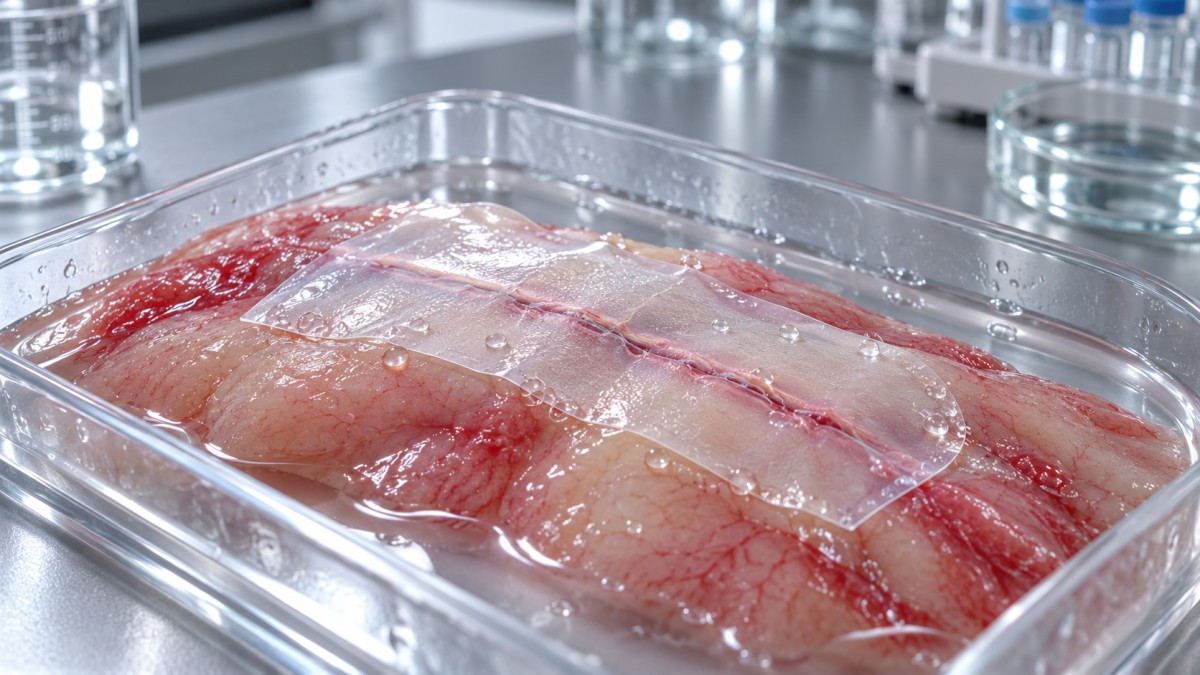
SanaHeal is an MIT spinout developing a biocompatible adhesive technology capable of rapidly adhering to wet tissue. The technology is intended to replace traditional surgical sutures and make tissue joining resemble the use of tape or a sticky note.
The stated aim is to simplify a range of surgical procedures and improve surgical efficiency. The supplied information presents these benefits as potential outcomes.
Potential Adoption Puts Evidence and Purchasing Criteria in Focus
Manufacturers May Need to Define the Scope of Substitution
From an industry perspective, the prospect of replacing sutures could prompt manufacturers and prospective commercial partners to examine which tissue-joining applications the adhesive could support. Any resulting change to product specifications, technical documentation or compliance assessments would depend on evidence and the applicable requirements. The supplied information does not establish an approved intended use, certification status or a change in regulatory treatment.
Clinical Buyers Could Revisit How Closure Products Are Compared
Analysis suggests that procurement teams considering this technology would need to distinguish ease of application from demonstrated suitability for a particular procedure. A possible purchasing assessment could examine the evidence supporting adhesion to wet tissue, the proposed application method and the basis for any efficiency claim. No revised tender criteria, purchasing commitments or delivery arrangements are identified in the supplied material.
Testing Providers Could Face More Specific Evaluation Questions
For testing and certification service providers, a potential area of work would be assessing how the technology's stated properties relate to its proposed use. Analysis suggests that evaluation questions could include tissue compatibility, adhesion performance and consistency of application. These are possible assessment topics, rather than confirmation of a prescribed test programme or newly introduced standard.
Practical Checks Before Procurement or Commercial Commitments
Establish What the Available Evidence Supports
As a practical recommendation, prospective buyers and partners should seek documentation defining the proposed uses and the evidence behind the description of biocompatibility and rapid wet-tissue adhesion. Claims that the technology could replace sutures should be assessed within a clearly stated scope, rather than treated as evidence of suitability across all surgical procedures.
Verify Regulatory and Certification Status Separately
A recommended compliance review would establish the status relevant to any intended transaction or clinical application. The supplied information does not identify a regulatory authorization, certification decision or applicable standard. Companies should therefore verify such details before relying on them in product listings, tender submissions or commercial representations.
Connect Supply Planning to Documented Product Readiness
From a procurement perspective, a preliminary assessment could request information about product specifications, supplier qualifications, storage conditions, traceability and delivery availability. These details are not provided in the input. Any decision to alter purchasing plans or reduce reliance on sutures would need additional evidence about suitability and supply readiness.
A Development Signal, With No Confirmed Rule Change
Editorial analysis: this announcement is best understood as a technology development with potential compliance and procurement implications. The supplied facts do not support describing it as a newly implemented policy, a certification milestone or a formal change to surgical purchasing rules.
What deserves closer attention is whether subsequent documentation establishes intended uses, supporting performance evidence and regulatory or certification status. Any later changes to purchasing specifications or assessment practices would need to be verified through relevant documents. The convenience suggested by the sticky-note comparison does not establish those outcomes.
Evaluate the Alternative Before Revising Closure Practices
From an industry perspective, SanaHeal's development offers a reason to examine how a rapidly adhering tissue adhesive might fit into surgical workflows and product evaluation. Its potential to simplify closure makes evidence quality and clearly defined applications central to any future assessment.
At this stage, the proportionate response is to monitor and verify the technology's progress. The supplied information supports interest in a possible alternative to sutures, while changes to procurement, certification or delivery arrangements remain matters for further assessment.
Basis of This Article and Outstanding Verification
This article is based solely on the news title, event-time information and event summary supplied by the user. The event date was not specified, and no specific official source links were provided. Further verification remains necessary.
Relevant future verification materials could include official company announcements, regulatory publications, certification documentation and supporting technical reports, where available. Follow-up should focus on intended uses, evidence supporting product claims, any applicable regulatory or certification decisions, changes to tender specifications, supply arrangements and industry feedback. No such subsequent developments are confirmed by the supplied information.
Related News
Get weekly intelligence in your inbox.
No noise. No sponsored content. Pure intelligence.
